The Zimbabwean Ministry of Health and Child Care has commenced the strategic integration of the R21/Matrix-M malaria vaccine into its national immunisation programme, marking a pivotal shift in the region’s battle against the parasite. This initiative follows successful trials across sub-Saharan Africa, aiming to provide a high level of protection for children under the age of five. Medical professionals in Harare and beyond have welcomed the move, noting that the vaccine’s high efficacy rate of over 75 per cent could significantly reduce the burden on rural health centres during peak transmission seasons.
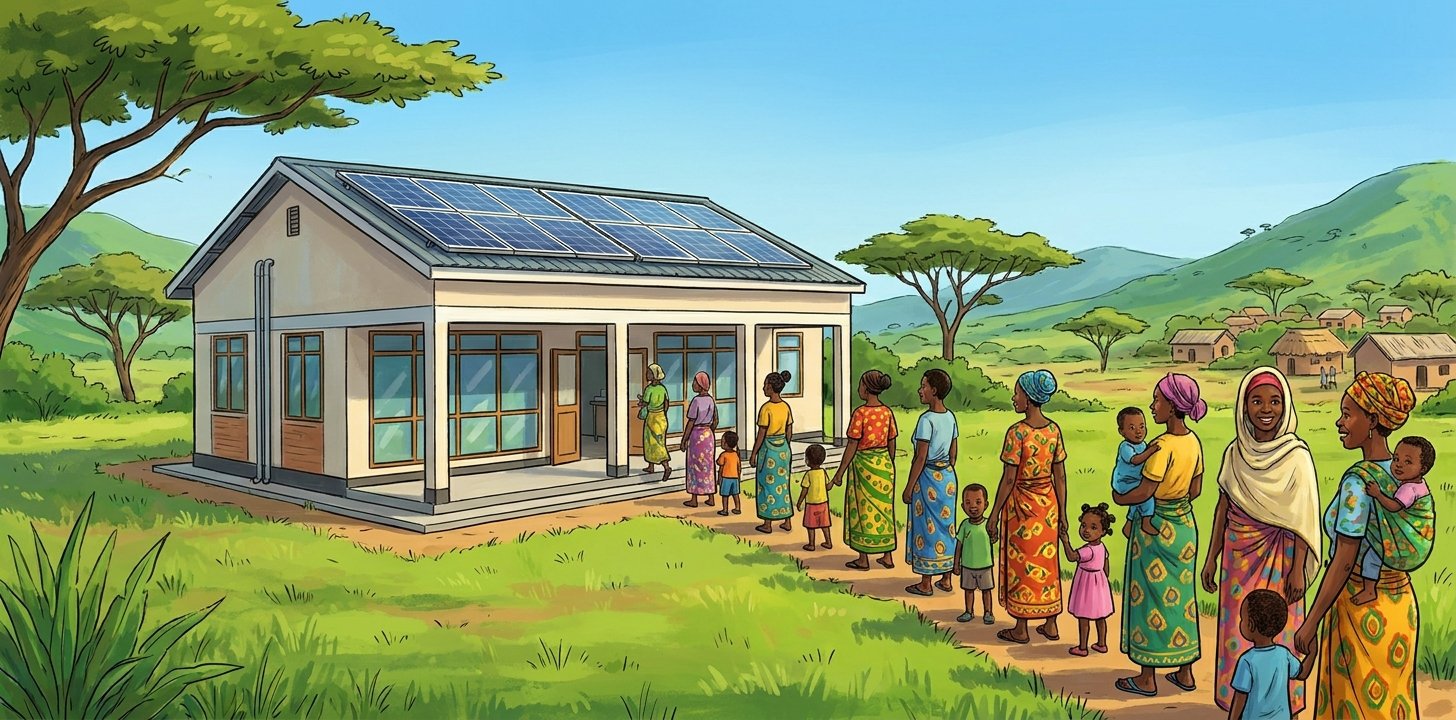
Logistical preparations are currently underway to ensure that the cold-chain infrastructure can accommodate the specific biological requirements of the vaccine. The government has prioritised the refurbishment of provincial solar-powered refrigeration units, particularly in high-risk districts such as Binga and Hwange. By enhancing storage capacity, the ministry seeks to eliminate the risk of spoilage whilst ensuring that remote communities receive doses that remain potent and effective. This infrastructure upgrade is expected to serve as a blueprint for future pharmaceutical distribution across the country.
Community health workers are being retrained to facilitate the rollout, focusing on educating parents about the four-dose schedule required for optimal immunity. Public health experts emphasise that the vaccine is intended to complement, rather than replace, existing preventative measures such as insecticide-treated bed nets and indoor residual spraying. This holistic approach is essential to address the complex lifecycle of the malaria parasite, which remains a leading cause of morbidity and mortality amongst Zimbabwean children, despite recent gains in vector control.
As the rollout progresses, the focus remains on long-term sustainability and regional cooperation within the Southern African Development Community. By localising the distribution and monitoring of the vaccine, Zimbabwe aims to foster a more resilient healthcare system capable of responding to environmental shifts that influence mosquito breeding patterns. This proactive stance not only promises to save thousands of lives but also aims to alleviate the economic strain caused by recurrent malaria outbreaks in agricultural and mining communities.