The World Health Organization (WHO) has recently introduced S.A.R.A.H., a pioneering digital health promoter designed to support global populations in managing their well-being whilst navigating complex medical information. This Smart AI Resource Assistant for Health represents a significant leap forward in public health communication, utilising generative artificial intelligence to provide empathetic and interactive health advice. Unlike traditional chatbots, this programme employs advanced language models to engage users in more nuanced conversations regarding healthy lifestyle choices and disease prevention.
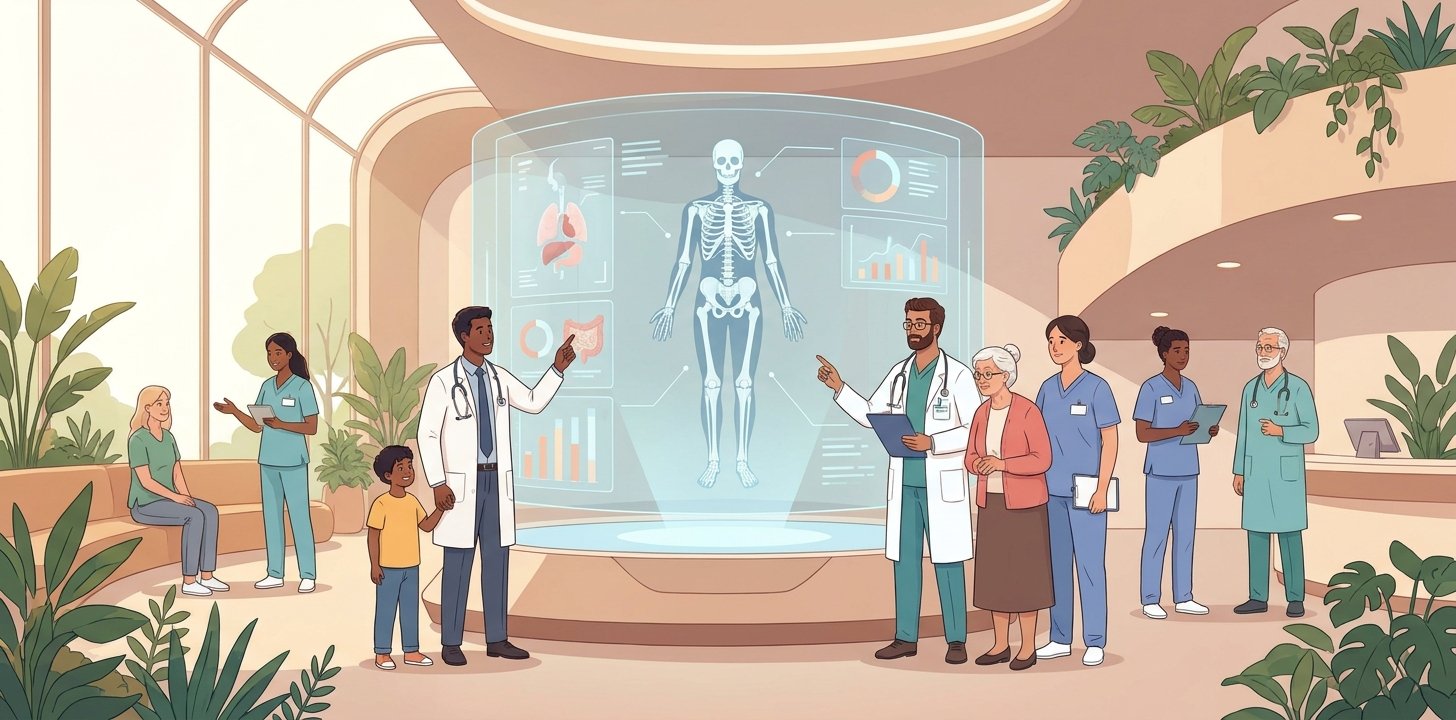
Available twenty-four hours a day in eight different languages, the initiative aims to democratise access to health information, particularly in regions where medical professionals are in short supply. By offering guidance on topics such as mental health, tobacco cessation, and physical activity, S.A.R.A.H. assists individuals in their efforts to realise better health outcomes. This technology is particularly relevant whilst the global community faces a rising burden of non-communicable diseases, requiring more scalable solutions to promote preventative care and reduce clinical pressure.
The development of this digital avatar highlights the organisation’s commitment to harness emerging technologies to optimise health literacy on a global scale. The AI is trained to provide information based on the latest scientific evidence, ensuring that the advice given is both reliable and safe for diverse populations. As the tool interacts with more users, it continues to learn and refine its responses, though the WHO maintains strict oversight to ensure that the information remains aligned with international clinical guidelines and ethical standards.
Whilst the potential for such technology is vast, the WHO has also emphasised the importance of addressing ethical concerns, including data privacy and the risk of algorithmic bias. To maintain public trust, the organisation has implemented rigorous security measures to protect user data and ensure transparency in how information is processed. This move signals a broader trend in global health where digital tools are not merely static resources but active participants in the effort to improve population health through personalised, technology-driven interventions.