
Global health authorities are increasingly turning to artificial intelligence to bridge the gap in diagnostic capabilities within remote regions. The World Health Organization (WHO) has recently expanded its recommendations for computer-aided detection (CAD) software, which utilises deep-learning algorithms to interpret chest X-rays. This technological shift aims to support healthcare workers in areas where trained radiologists are scarce, ensuring that tuberculosis (TB) can be identified swiftly and accurately whilst reducing the burden on overstretched medical staff.
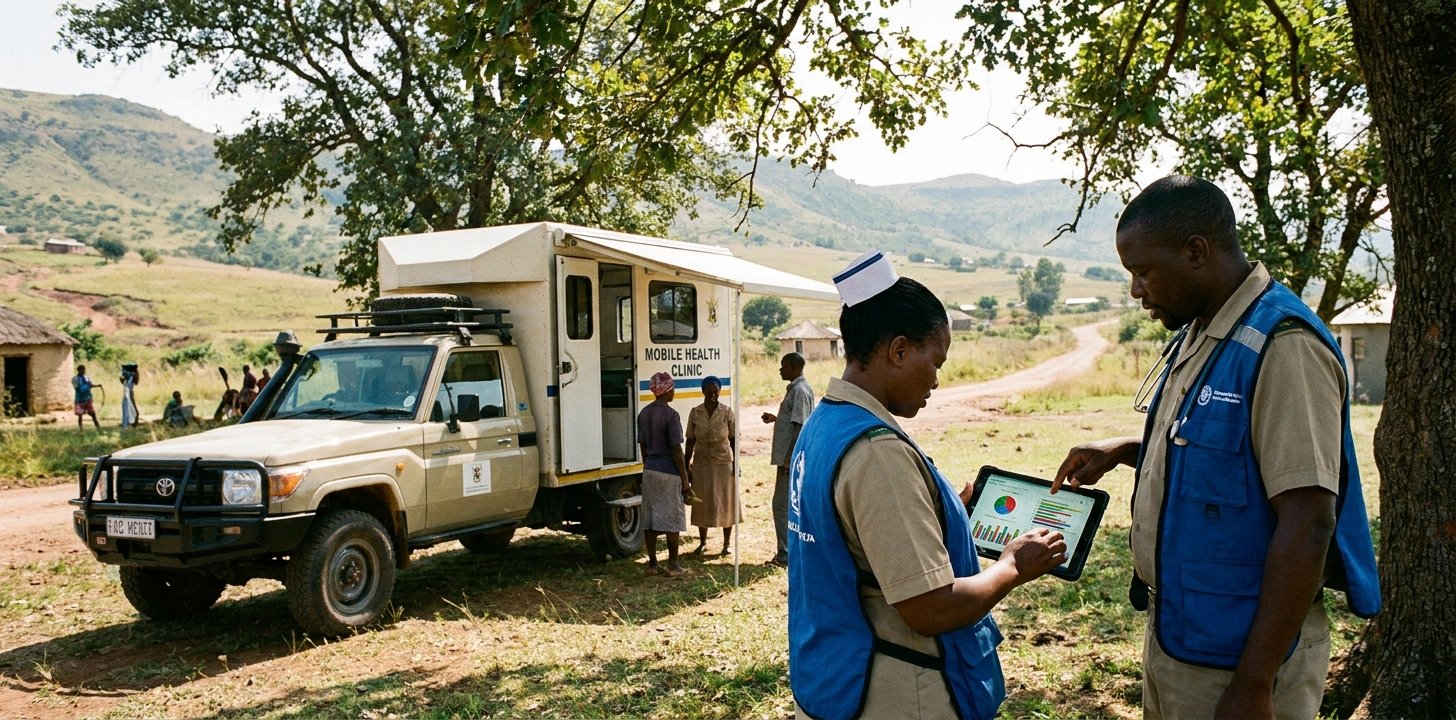
These AI-integrated systems are designed to operate on portable, battery-powered X-ray units, making them ideal for mobile clinics. By providing a standardised probability score for TB, the software allows clinicians to prioritise patients for further molecular testing immediately. This streamlined approach significantly reduces the time from initial screening to treatment initiation, a critical factor in halting the transmission of the disease within vulnerable communities across the globe.
Several countries have already begun to modernise their national health programmes by incorporating these automated tools into their standard care pathways. Whilst traditional screening methods often rely on subjective human interpretation, AI offers a level of consistency that is difficult to maintain in high-volume settings. The WHO emphasises that these tools should complement rather than replace clinical judgement, providing a robust second opinion that enhances the overall diagnostic yield and ensures no case goes unnoticed.
Despite the promise of digital health, the WHO underscores the importance of data privacy and the need for rigorous validation of algorithms across diverse populations to avoid bias. To address this, the organisation has published a series of technical specifications to ensure that digital health interventions are safe, effective, and interoperable. These guidelines provide a roadmap for member states to integrate complex technology into their existing health infrastructures without compromising patient safety or data integrity.
As global health budgets remain under pressure, the cost-effectiveness of AI-driven diagnostics is becoming a key driver for widespread adoption. By reducing the reliance on highly specialised personnel for routine screening, national health services can reallocate resources to more complex patient care and treatment adherence. This evolution in digital radiology represents a significant step towards achieving the United Nations Sustainable Development Goals, specifically the target to end the TB epidemic by 2030.